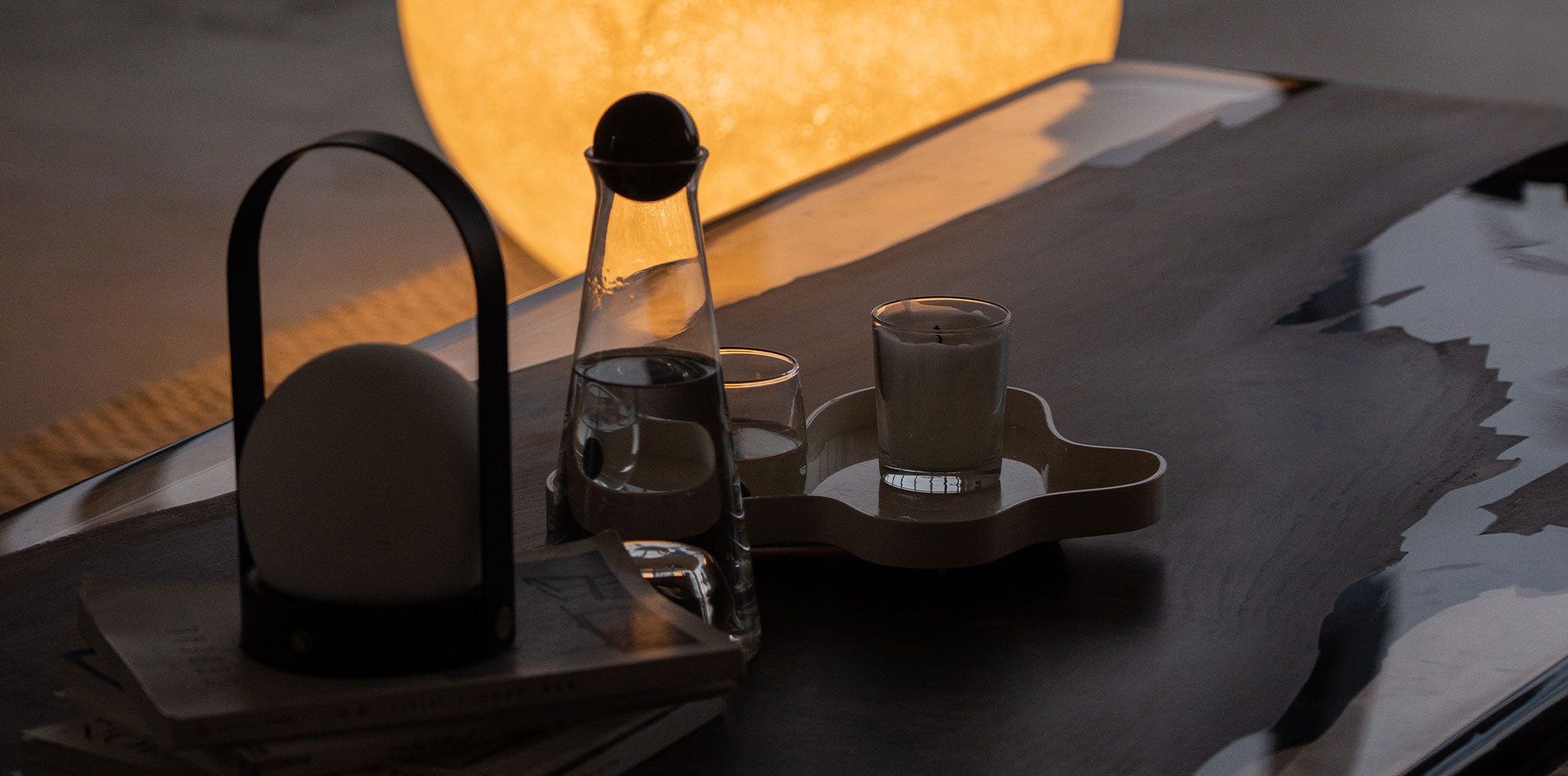



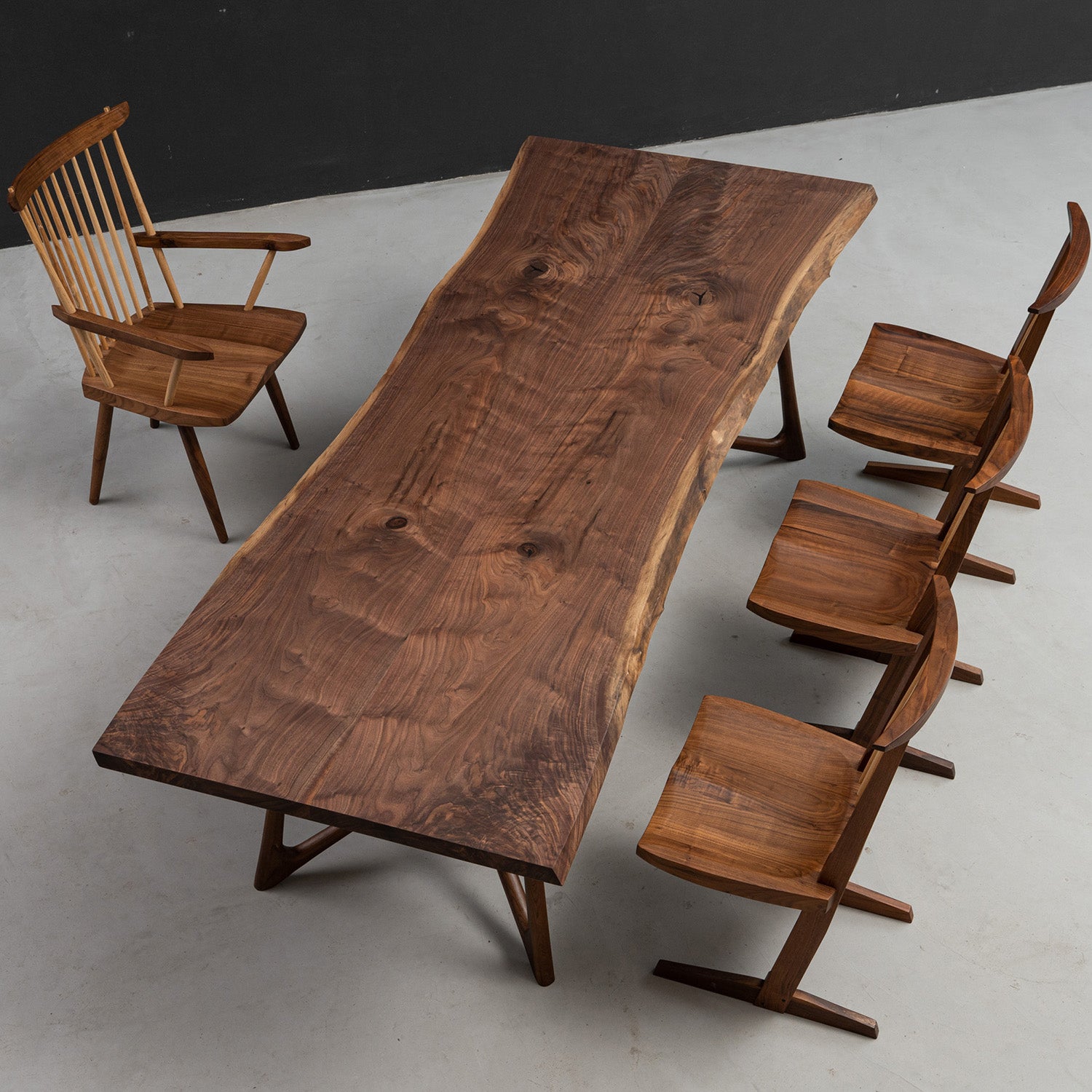
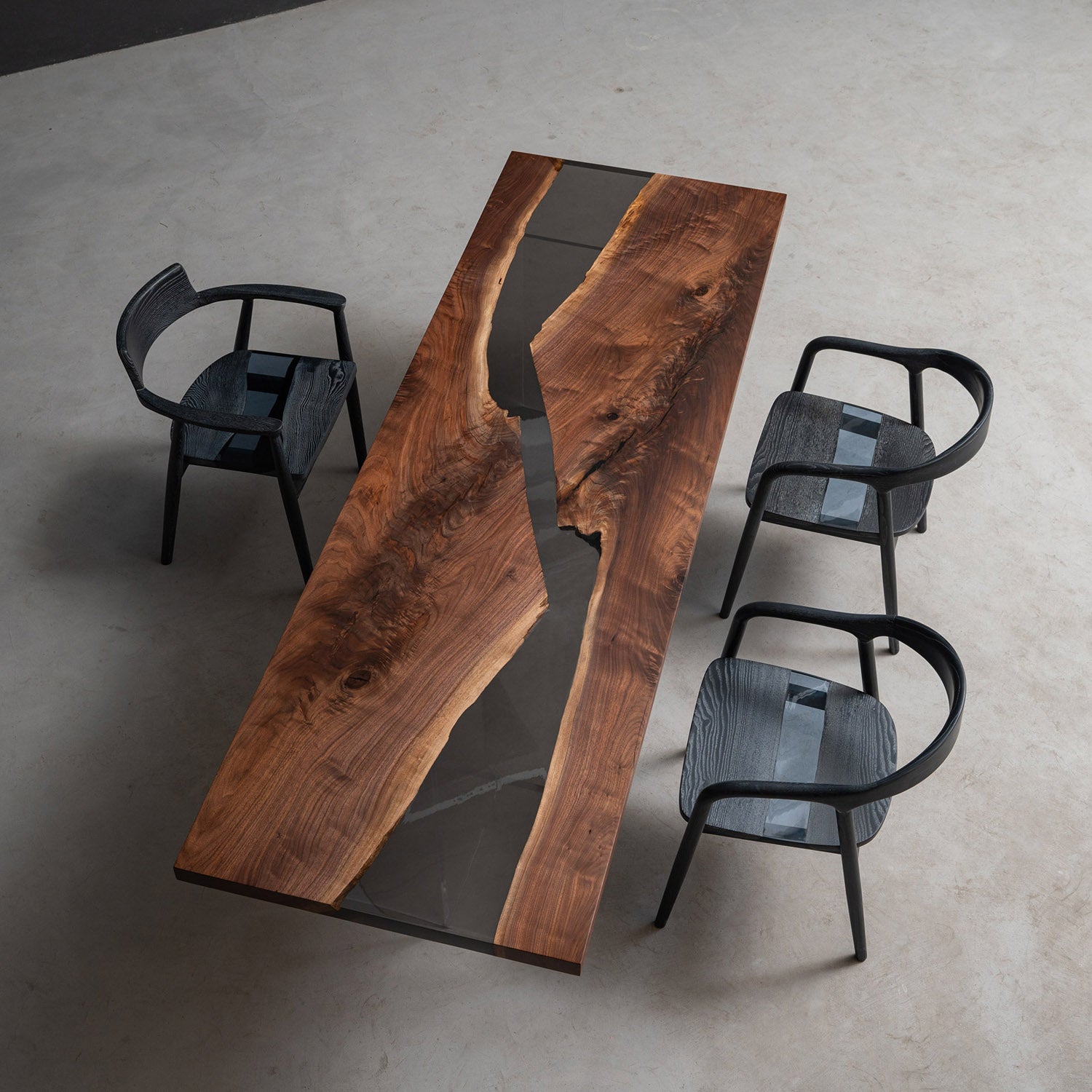


Epoxy tables have grown in popularity for their sleek, modern style and wide design flexibility. By blending natural wood with high-gloss resin, they turn simple slabs into striking, functional statement pieces.

However, durability is an important consideration. While epoxy resin is strong and glossy, it’s not completely scratch-proof. Knowing how and why scratches occur is key to protecting your table and maintaining its finish.
Why Do Epoxy Resin Surfaces Get Scratches?
1. Hardness & Why Scratches Happen
Epoxy resin is fairly hard (about 4H–6H), making it stronger than most wood or plastic, but still softer than glass or quartz.
Think of it like car paint: smooth and glossy, yet fine sand can still leave swirl marks. The same principle applies to epoxy. Tiny dust particles often contain silica or quartz (which are harder than epoxy). When wiped across the surface, these particles can create light micro-scratches, also known as micro-abrasions.
2. Everyday Wear: The Main Cause of Scratches
Most minor scratches don’t come from major impacts, but from daily use over time. Fine dust and grit—often containing abrasive particles—are the leading cause.
Wiping the surface with a dry cloth or paper towel can grind these particles in, dulling the finish. Dragging items like ceramic mugs, metal décor, or heavy books across the table can also leave deeper scratches, especially if their bottoms are rough or gritty.
3. Deeper Scratches: Impact and Pressure
While small, faint scratches are often caused by dust, deeper dents can be caused by:
Sharp Objects: Dropped cutlery, keys, or pet paws scraping the surface.
Point Loads: Heavy or sharp-edged objects, especially when dragged, can leave dents or scratches under pressure.
How to Prevent Scratches on Your Epoxy Table?
1. Selection: Building Scratch Resistance from the Start
Choose a high-quality, durable epoxy resin with proven scratch resistance. Apply it carefully in a dust-free environment, following the manufacturer’s instructions to avoid bubbles or imperfections. For extra protection, add a clear polyurethane or varnish topcoat to act as a sacrificial layer, preserving the epoxy beneath.
2. Daily Care: Protecting the Surface During Use
- Use Felt Pads: Place soft felt or adhesive pads under all objects to prevent micro-scratches when moved.
- Lift, Don’t Drag: Always lift books, mugs, and electronics instead of sliding them across the surface to avoid grinding in grit.
- Clean Gently: Dust with a lightly dampened microfiber cloth or mild cleaner to lift dirt without scratching the epoxy.
- Keep Grit Away: Use doormats and be mindful of sand or soil from gardens or beaches, which can scratch the surface.
- Use Coasters & Placemats: Always protect the table from drinks and plates to prevent scratches and heat damage.
Even if your tabletop gets scratched, don’t worry—here’s how you can fix it:
- Tools Needed: Fine 2000-grit sandpaper, clean water, polishing wax, and a polishing machine.
- Wet Sanding: Spray water on the scratched area and gently rub in circular motions with the sandpaper.
- Polishing: Apply polishing wax and use the polishing machine to buff the surface to a smooth, glossy finish—similar to car polishing.

Epoxy tables are beautiful and durable, but not completely scratch-proof. By using quality materials, applying them properly, and following proper care and repair techniques, you can keep your table looking stunning for years. Please feel free to contact us if you have any questions.