

Lighting explains why your epoxy table looks different in person. Sunlight, warm, and cool bulbs all shift wood and resin tones.
This guide helps you choose and position your piece for the best look.
Three Lighting Scenarios: Real Examples
1. Natural Daylight
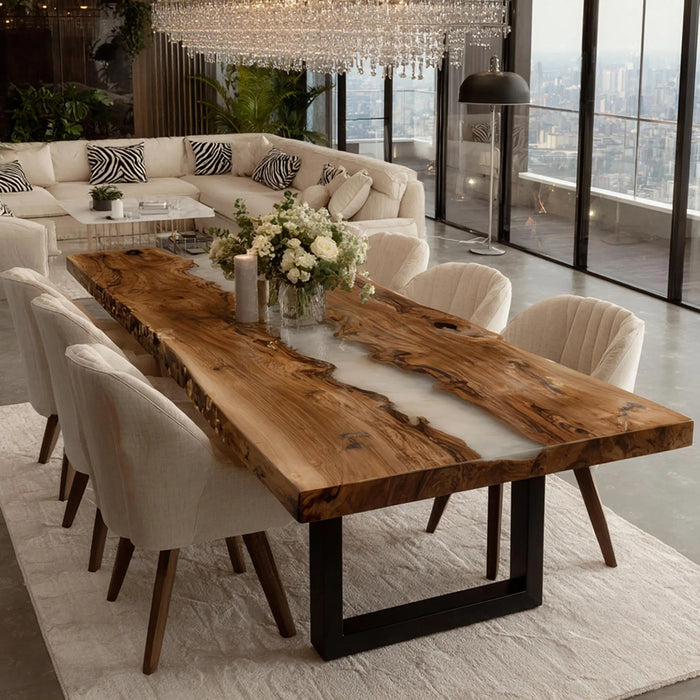
Your table sits near a large window with plenty of natural light.
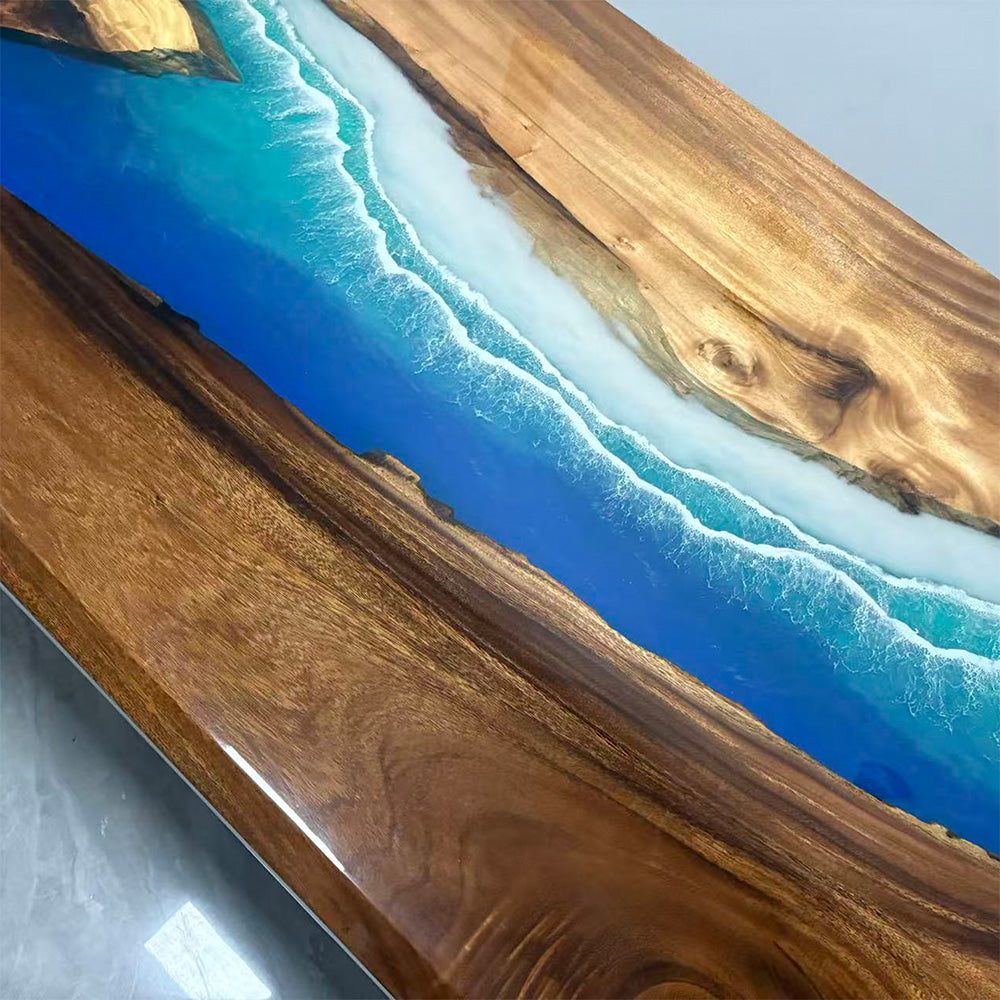
Daylight reveals the truest version of both wood and resin. Olive's warm undertones come through clearly. Blue resin looks crisp and vibrant.
Real example: One of our customers' placed the table near a window where it gets plenty of natural sunlight.

Takeaway: If your table will sit in strong natural light, choose UV-stabilized resin and consider a protective topcoat.
2. Warm Incandescent or Soft White LED (2700K–3000K)
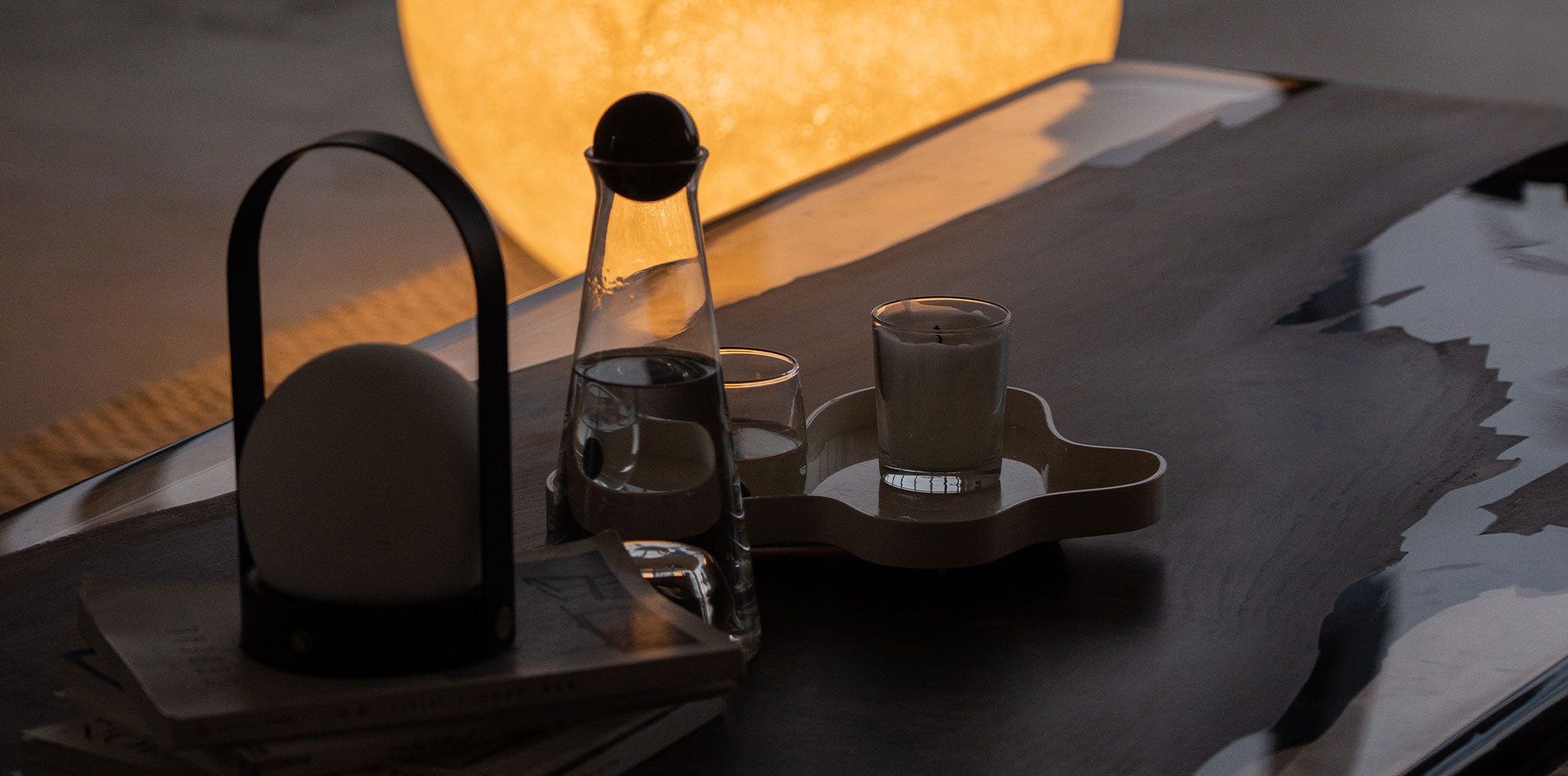
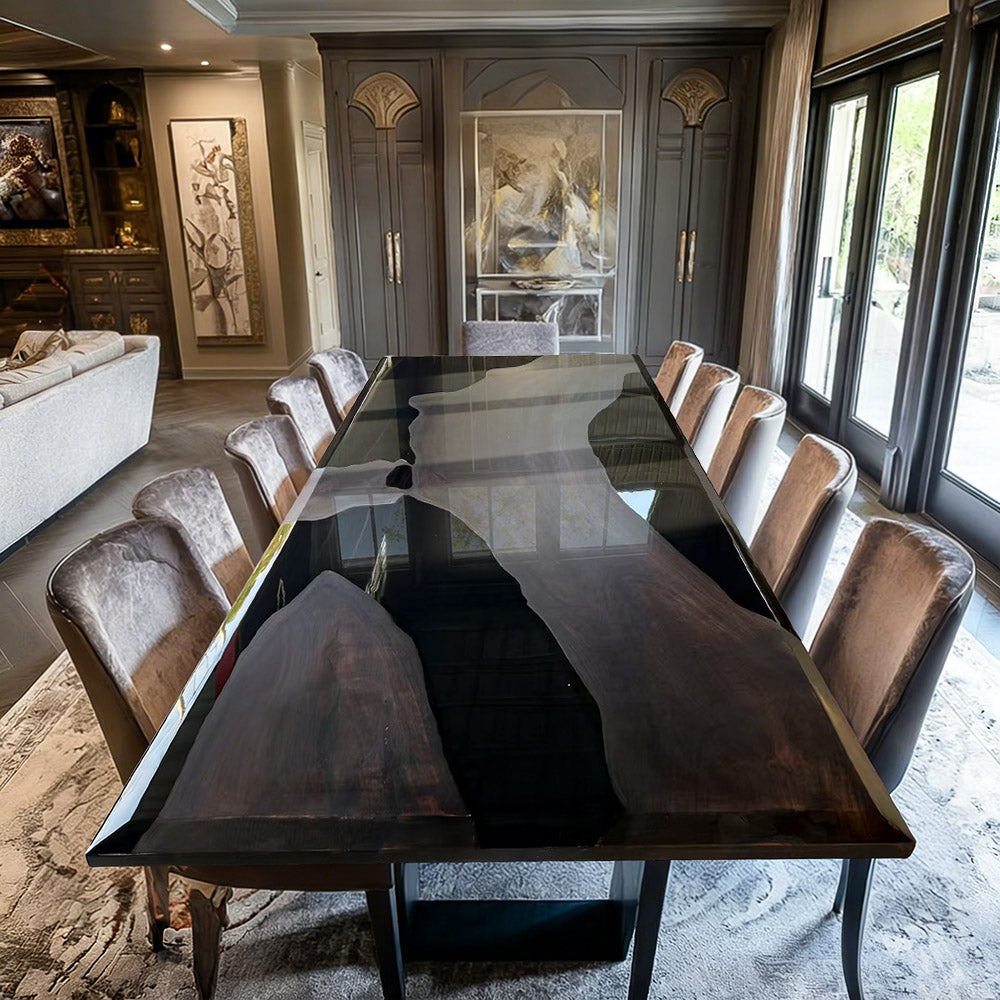
Your dining room uses warm-toned bulbs – the kind that make everything feel cozy and golden.
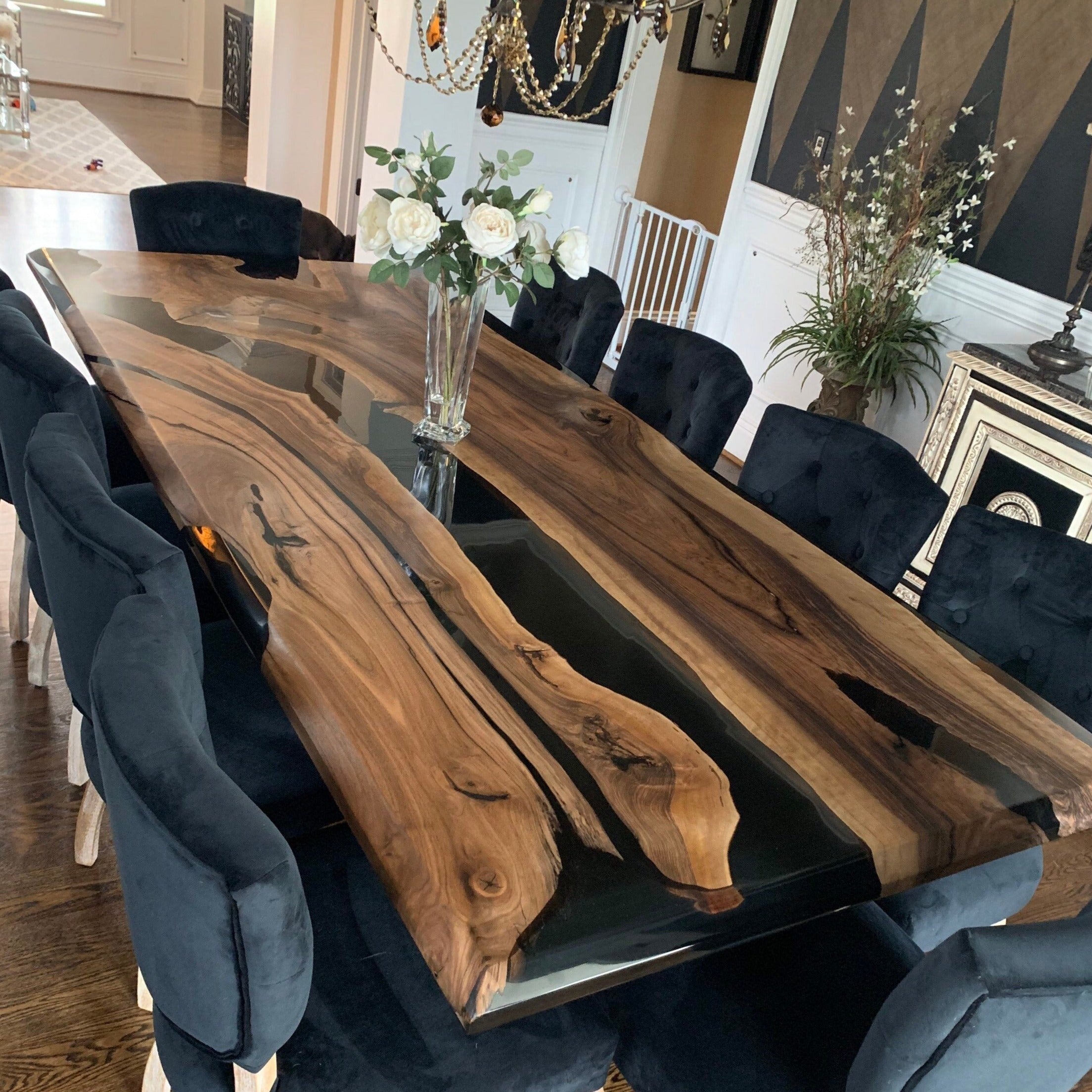
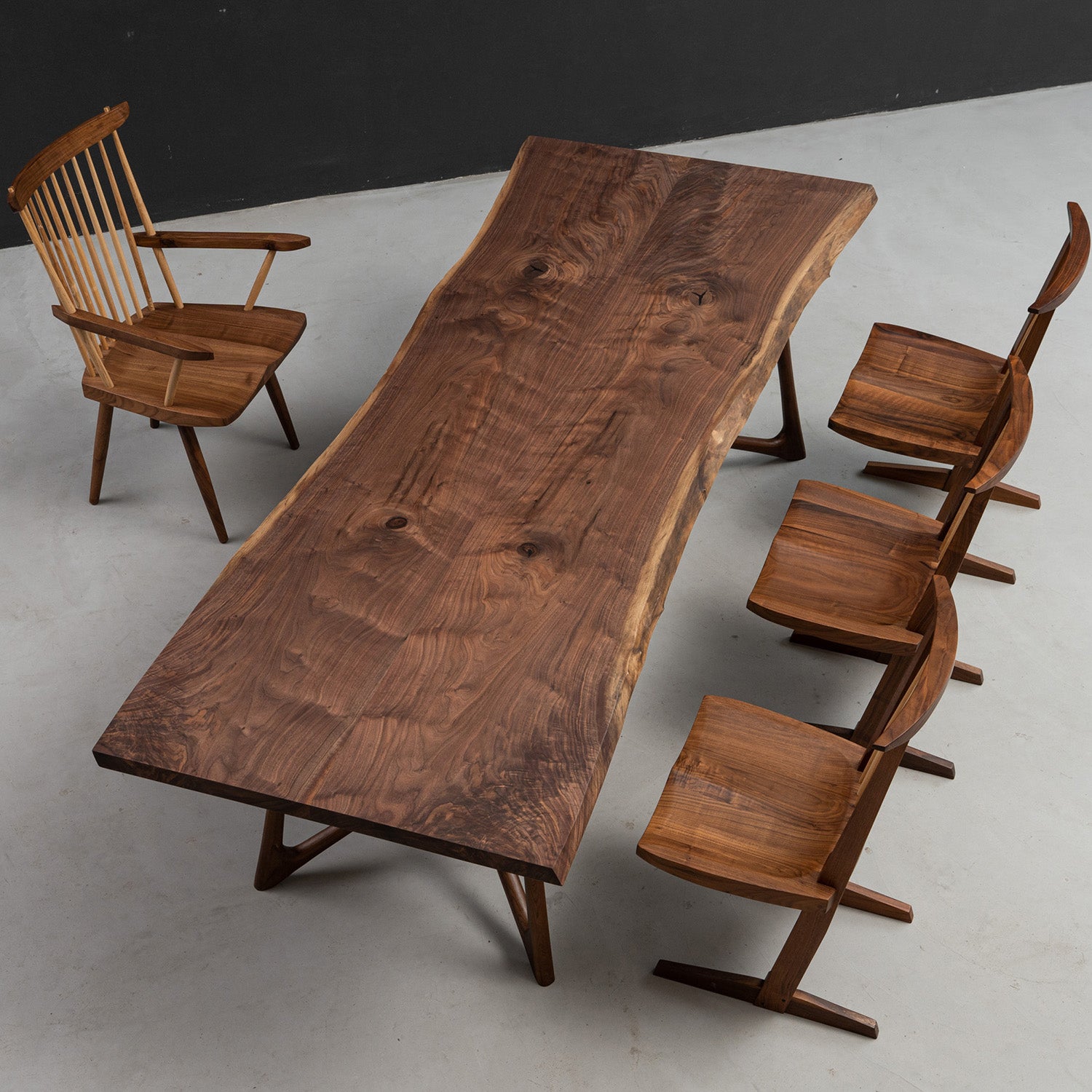
Warm light enhances the brown and amber tones in wood. Walnut looks richer, deeper.
Real example: One of our customers' walnut black epoxy river table that looked fiery and bold in the dining room appeared warmer and slightly more orange under a client's warm dining room lights.

Takeaway: If you're choosing a cool resin color, test it under your home's actual bulbs. Warm light can shift the perception of cooler pigments.
3. Cool White or Daylight LED (4000K–5000K)
Your space uses bright, cool-toned lighting – common in modern kitchens, offices, or showrooms.
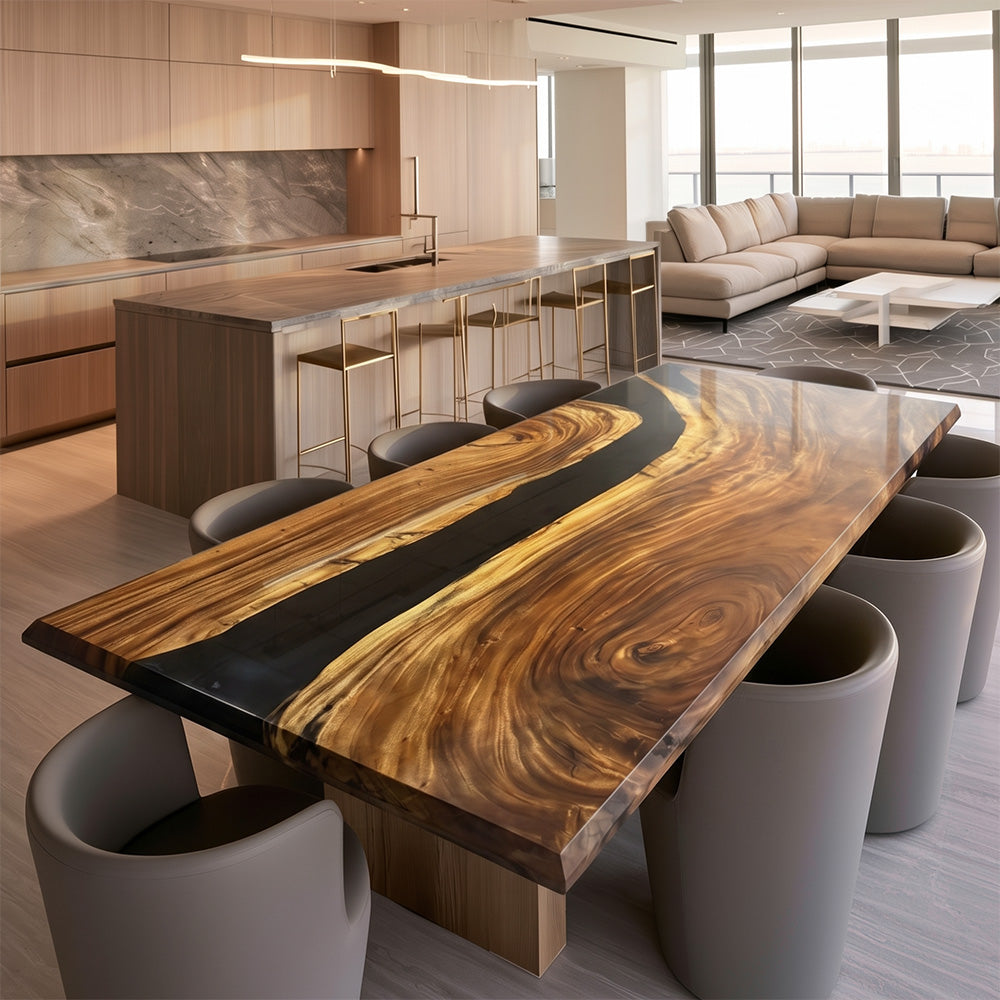
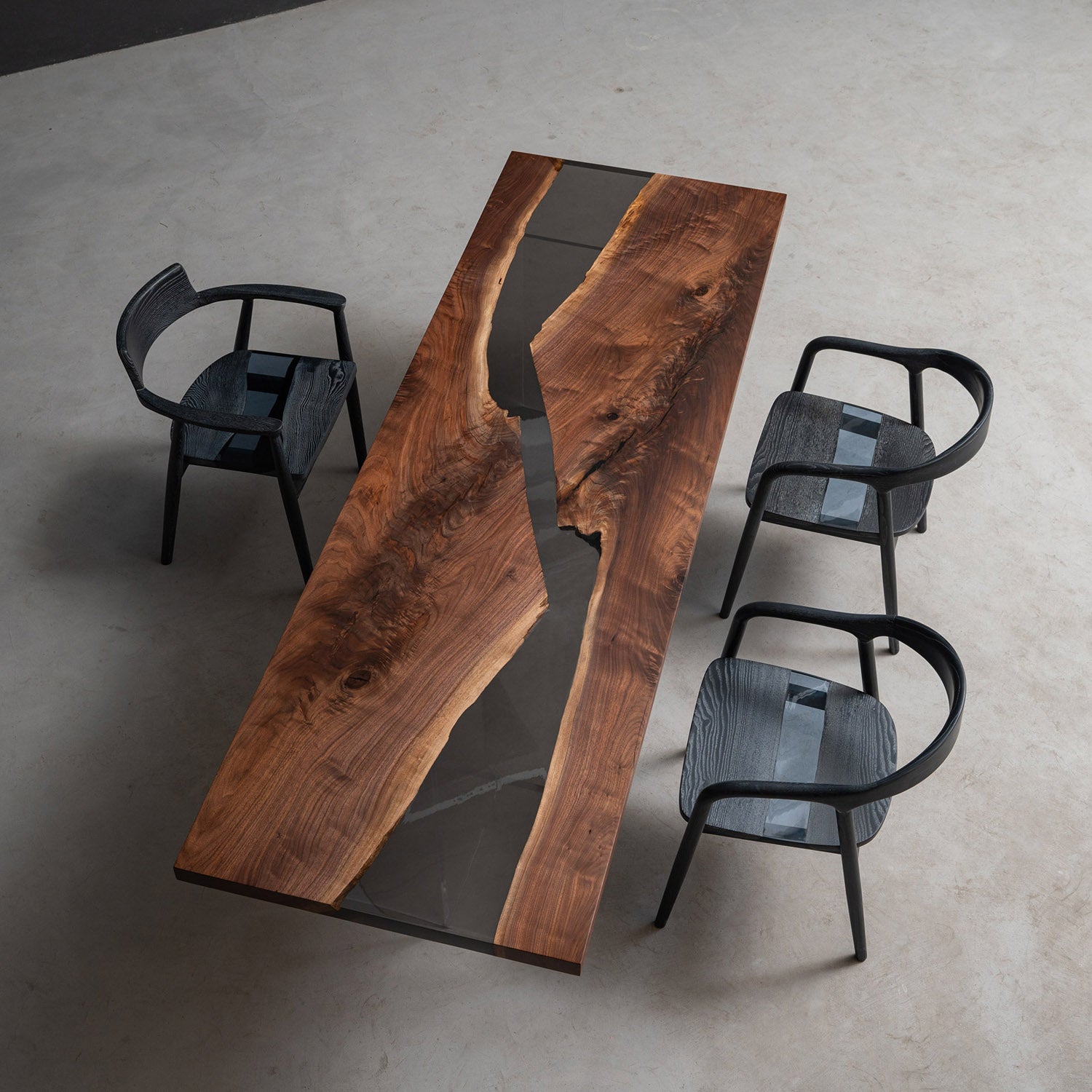
What happens: Cool light brings out crispness and clarity. Blue and green resins pop. Wood tones appear more neutral, sometimes slightly washed out compared to warm light.
Real example: One of our customers' walnut blue-green mixed epoxy table with subtle blue tint looked almost transparent under cool showroom lights – exactly as intended.

Takeaway: Cool light is your friend if you want resin colors to stand out. But be aware that wood may look less warm.
Plan for color shifts. Test samples under your room's actual lighting. Position your table to catch the best light. Your custom epoxy table deserves lighting that makes it shine.